The Challenge
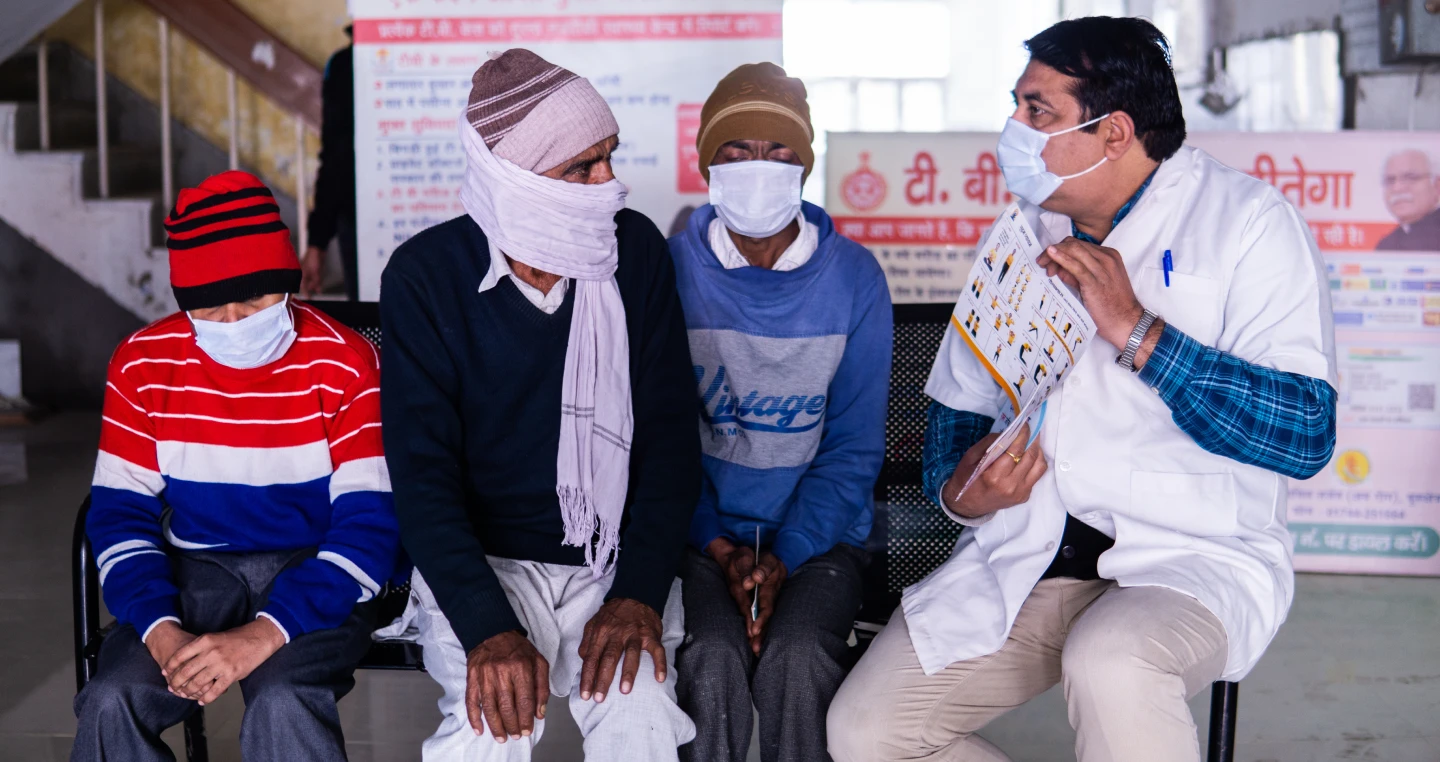
India has the world’s largest burden of tuberculosis, accounting for an estimated 27% of global TB cases in 2022. In the same year, an estimated 2.8 million people developed TB in India, with approximately 331,000 TB-related deaths1.
Many cases remain undiagnosed and unreported, creating a persistent gap between estimated infections and known cases. Effective TB control depends on directing active case-finding efforts and resources to areas with the highest TB risk. VMTB helps identify these hotspots, enabling more targeted, efficient resource allocation.
Our AI Solution
Vulnerability Mapping for Tuberculosis (VMTB) is an AI-driven geospatial analytics solution that helps identify areas with a higher likelihood of TB risk, analyzing patterns between the location coordinates of notified TB cases and over 20 geospatial, sociodemographic and health-determining features.
These predictive insights let health authorities visualize TB risk more clearly and prioritize interventions where they're most needed, improving efficiency, strengthening case-finding, and supporting long-term reduction in TB burden.
How it works
 01
Data integration
VMTB combines programmatic TB data with over 20 open-source geospatial datasets — including population density, proximity to healthcare facilities, air quality data, and health indicators from the National Family Health Survey (NFHS), Google Earth Engine, and Meta.
Data integration
VMTB combines programmatic TB data with over 20 open-source geospatial datasets — including population density, proximity to healthcare facilities, air quality data, and health indicators from the National Family Health Survey (NFHS), Google Earth Engine, and Meta.
 02
Analysis and mapping
Analysis and mapping: the solution uses these factors and a tile-based (500x500m) grid system to generate highly localized vulnerability rankings for villages and wards, enabling state and district officials to strengthen microplanning for active case-finding activities.
Analysis and mapping
Analysis and mapping: the solution uses these factors and a tile-based (500x500m) grid system to generate highly localized vulnerability rankings for villages and wards, enabling state and district officials to strengthen microplanning for active case-finding activities.
Where It's Deployed
Integrated within the Ni-kshay portal, deployed pan-India.
Impact
By mapping where vulnerability is highest, VMTB helps health systems move from a reactive to a targeted, proactive approach, reducing missed and delayed diagnoses, easing the burden on frontline teams through more focused screening, and improving access to care by directing outreach to areas of greatest need. It supports targeted interventions critical to reducing undiagnosed cases and strengthens progress toward TB elimination.
Our Other Solutions
Partners



Looking Ahead
As these capabilities mature, VMTB holds strong potential for expansion beyond TB, supporting vulnerability identification and targeted interventions across other public health priorities where early risk detection and timely action are critical.